Last reviewed October 31, 2026.
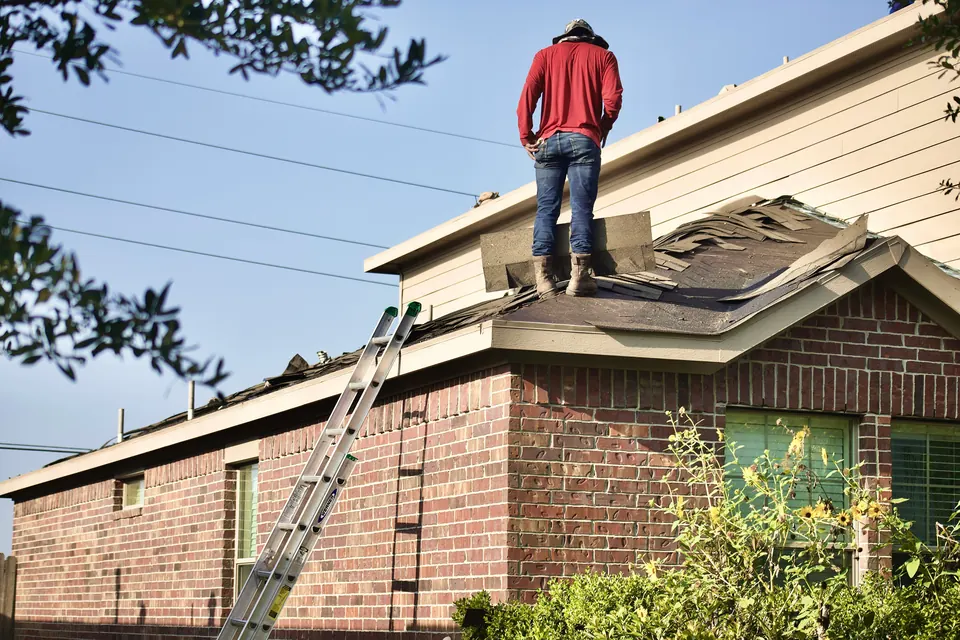
A stranger knocks the morning after a nor’easter, points at a lifted shingle you had not noticed, and says the crew is already on your block. The price sounds fair. The work could start today. All they need is cash to pick up materials.
Every piece of that pitch turns up in the warnings from the offices that take homeowner complaints on Long Island.
The knock after a windstorm
The FTC’s Home Repair Scams page lays out the opening move: someone knocks on your door or calls, and they might find you after a flood, windstorm or other natural disaster. Then they “run off with your money and never make the repairs,” or do shoddy work that makes things worse. A January 18, 2023 FTC alert by Colleen Tressler adds that unlicensed contractors and scammers may show up in recovery zones promising quick repairs.
The state Attorney General’s contractor page tells New Yorkers to be wary of anyone who turns up unsolicited offering home repairs. It warns that non-local “storm chasers” may be difficult to track down if the work is done wrong.
Nassau’s Consumer Checklist for Home Improvement and Repair lists the same type among its red flags: fly by nights that “happen to be in the neighborhood.” Meanwhile the leak is still there. Our emergency roof repair page covers what to do about it while you sort out who should fix it.
Cash today, roof someday
Payment is where most of these deals go wrong. The FTC says such crews pressure you to act quickly and may ask for cash or offer to arrange financing. It advises against paying by cash or wire transfer. Its 2023 alert says to walk away from anyone who demands cash up front.
The Attorney General’s office goes further. Never give a contractor a cash deposit before you sign a contract, it says, and never pay the full price up front. A legitimate contractor will not pressure you to sign and hand over a deposit on the spot.
Both county consumer offices put a number on it. Nassau’s checklist and Suffolk’s Home Improvement Fact Sheet (revised October 16, 2024) each say a fair down payment would be under 15 percent, and to avoid any firm that wants a large one. Suffolk adds that payments should follow each finished phase, with the last one held back until all problems are corrected.
Roofers answer to a tighter rule than other home improvement trades. Under New York General Business Law Section 771-b, as revised May 29, 2020, a roofer cannot demand a deposit at all. How materials billing, escrow and loan offers work is covered on our roof financing page.
No county license, no recourse
Nassau’s checklist puts it in five words: “Unlicensed contractors. You have little recourse.” Suffolk’s fact sheet spells out why. An unlicensed contractor may carry no liability insurance, and the license protects you against contractors who “take your money and disappear.”
Suffolk’s restitution fund pays homeowners who win a final judgment or arbitration award they cannot collect, and the fact sheet says it covers only claims against a licensed contractor.
The FTC tells homeowners to confirm that a company has licenses and insurance before hiring. On Long Island that means the county license lookup. Step by step instructions are in our Nassau license guide and Suffolk license guide, which also explain your three business days to cancel a signed contract.
Pressure, bargains and the deductible pitch
Nassau’s checklist also flags salesmen who push you to order now “before the price goes up or the roof falls in,” and ads offering bargain packages. Suffolk’s fact sheet suggests writing down exactly what work you want before you call anyone. A written list helps rule out contractors who try to sell additional work you do not need.
The same statute forbids a roofer to advertise or offer covering any portion of your insurance deductible as a way to win the job. Our roof insurance claims guide walks through that rule and the claim process.
Fake permit fees in your inbox
Some scams never involve a roofer at all. They go after homeowners and contractors who have a building permit application open. The Village of Patchogue’s Building Department page carries a bold notice that the department will never request payment through email links or wire transfer, and that scammers have been targeting applicants with fake invoices.
On October 2, 2026, the Village of Amityville posted a scam alert about fraudulent emails claiming residents owe fees on Building Department or architectural review applications. The village says not to reply, not to send money or wire funds, to keep the email with its sender address and attachments, and to report it to the Amityville Police Department at 631-264-0400. The Town of Smithtown’s Building Department page links a public service announcement about phishing scams involving permits.
If a bill like this lands in your inbox, look up the building department’s number on its official website and call before paying. The town and village pages in our Long Island permit guide list those offices.
Where to report a roofing scam
County Consumer Affairs offices handle complaints by where the house sits, so start with the one that covers your address:
| Office | How to reach it | What it handles |
|---|---|---|
| Nassau County Office of Consumer Affairs | (516) 571-2600, or the complaint form mailed to 240 Old Country Road, 3rd Floor, Mineola | Home improvement complaints for homes in Nassau, and license checks |
| Suffolk County Office of Consumer Affairs | (631) 853-4600, or online | Complaints about licensed or unlicensed contractors, license and complaint history checks, no fee |
| New York State Attorney General | Help Line 1-800-771-7755, or the online consumer fraud form | Consumer fraud statewide |
| Federal Trade Commission | 1-877-382-4357, or the ReportFraud site | Scam reports that help protect other people |
Suffolk’s fact sheet says all complaints are investigated and most are resolved without lawsuits. For a fake permit email, call the town or village that supposedly sent it, and the local police if money changed hands.
Before you dial anyone, gather the contract, receipts, texts and photos of the roof in one place.