In the first hour
- Catch the water. Buckets, towels, a tarp on the floor. If a ceiling is bulging with water, a small hole at the lowest point lets it drain into a bucket instead of bringing the ceiling down.
- Shut off power to wet areas if water is near lights, outlets or the panel.
- Take photos of the ceiling, the attic if you can get to it safely, and the outside of the roof from the ground.
- Call your insurance company if this came from a storm, wind or a fallen tree.
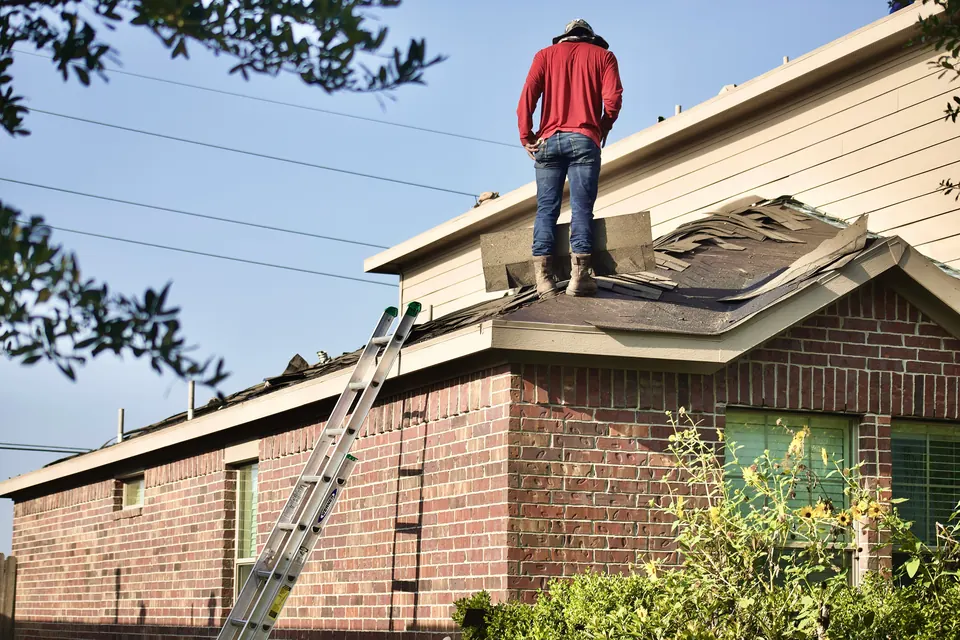
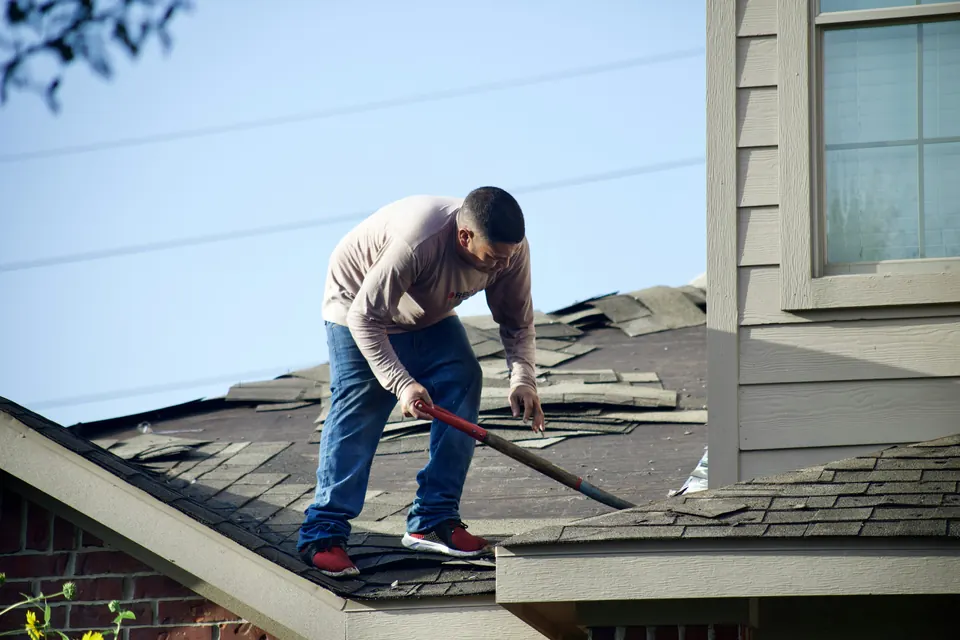
- Call a roofer for a tarp or a temporary patch. The permanent repair can wait for dry weather.
What it costs
| Emergency work | Published range | Source |
|---|---|---|
| Tarp, small area up to 400 sq ft | $300 to $700 | Upper Restoration, Mar 2026 |
| Tarp, 400 to 1,000 sq ft | $600 to $1,500 | Upper Restoration, Mar 2026 |
| Tarp, major section of roof | $1,200 to $3,500 | Upper Restoration, Mar 2026 |
| After-hours or weekend premium | 20 to 35 percent more | Upper Restoration, Mar 2026 |
| Urgent or after-hours surcharge | $200 to $300 added | County Roofing Systems, Jan 2026 |
The tarp is a stopgap. Once the roof is dry, you will still need the actual repair, and after a big storm it is worth getting a replacement price as well.
Storm chasers
After a big storm, out-of-area crews knock on doors across Long Island. Before anyone touches the roof, ask for a Nassau or Suffolk home improvement license number and look it up. It takes a minute on the county sites, and a crew without one will not be around later to stand behind the work.