Last reviewed October 31, 2026.
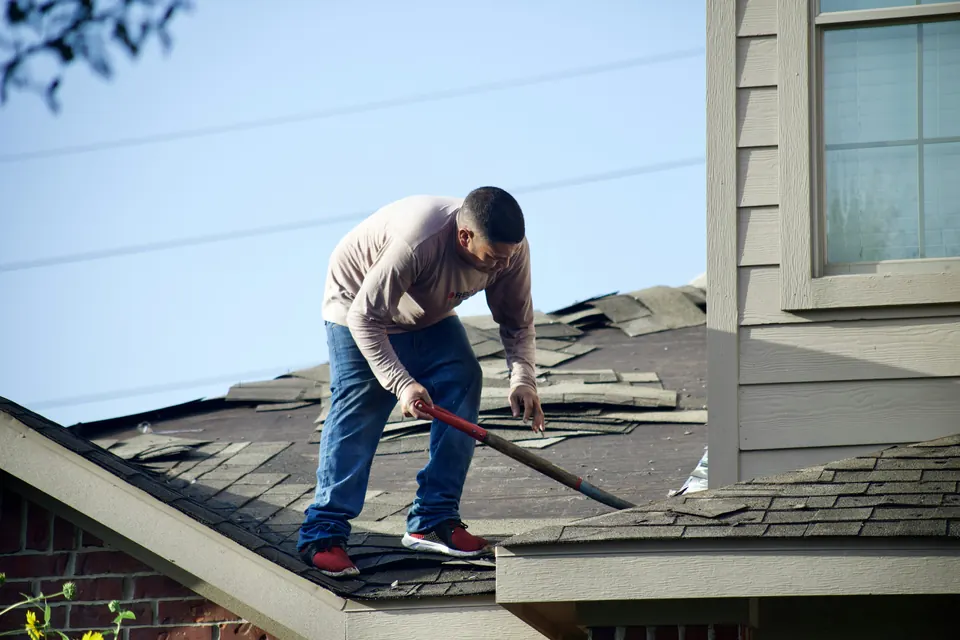
A cape off Park Boulevard lost a few tabs along the ridge after a windy week. The roofer who came out to look says the whole roof is due. The owner remembers a permit card taped in a neighbor’s front window during their job last spring. Before anyone orders shingles, two things need answers: whose office that card comes from, and whether this job needs one.
Massapequa Park answers to its own Building Department
Nassau County’s list of cities, towns and villages puts Massapequa Park among the incorporated villages inside the Town of Oyster Bay and gives the village number as (516) 798-0244. That village status is the whole story. Chapter 170 of the village code, on enclosed garages, says applications for that work “must be made to the Building Department of the Village of Massapequa Park pursuant to its rules and regulations.” Across several chapters, the code hands enforcement of building rules to a village Building Inspector.
Village Hall sits at 151 Front Street, according to the village government page, and the Board of Trustees meets there. Massapequa next door is a different case. It is not on the county’s list of villages, so the town handles your filing, and our Oyster Bay permit guide covers that process.
Where our research on a village reroof ran out
The building permit rules live in Chapter 154 of the village code, Fire Prevention and Building Construction, first adopted by the Board of Trustees on May 22, 1967. We tried to read that chapter’s permit sections and the online code host blocked us. The village’s own building pages would not load either. So we cannot tell you whether the village lists roof replacement, exempts a reshingle over sound decking, or draws the line at structural work.
Two clues in the code point toward permits for real construction. The noise chapter only lets domestic power tools off the hook when the job “does not require a building permit.” And the fee schedule gives alterations a full section of their own. Neither one names roofing. So make the call: 516-798-0244. Describe the tear-off and any sheathing or framing work, then write down who you spoke with and when.
The village fee table for alterations
Chapter A350 of the village code prints its building fees in plain dollars. Under Chapter 154, Fire Prevention and Building Construction, the schedule lists:
| Item | Fee in Chapter A350 |
|---|---|
| Building permit application, including certificate of occupancy and final inspection | $55 |
| Alterations, minimum application fee | $30 |
| Estimated cost $0 to $1,000 | $55 |
| $1,001 to $2,000 | $85 |
| $2,001 to $3,000 | $165 |
| $3,001 to $4,000 | $195 |
| $4,001 to $5,000 | $220 |
| Over $5,000 | $220 plus $11 per $1,000 of estimated cost |
| Renewal | $55 |
| Cancellation processing | $35 |
That estimated cost is the Building Department’s figure, and it may not match the number on your contract. A note at the end of the schedule adds three things. All fees are subject to final inspection and adjustment by the Building Inspector. They must be paid before a certificate of occupancy is issued. And the Board of Trustees may amend them by resolution. Ask for the current amount when you call.
The renewal line tells you permits can lapse. How long a village permit stays valid, and when work must start, sit in the part of the code we could not read. Get that date from the Building Department when the permit is issued.
Penalties, tickets and Village Court
In the parts of the code we could read, we found no dollar fine aimed specifically at building without a permit. What the code does lay out is how enforcement works. Chapter 5 authorizes the Building Inspector to issue appearance tickets for offenses relating to building, zoning and planning. The Village Court page says the court handles violations issued by village staff on building and zoning matters.
Section 1-15 makes clear its penalties are not the only remedy. The Board of Trustees can go to court for an injunction to stop unlawful construction, alteration or repair. And where two penalty provisions conflict, the more severe one applies.
Flood rules, gutters and crew hours in Massapequa Park
The village adopted Chapter 158, Flood Damage Prevention, on August 10, 2009, by Local Law No. 2 of 2009. We could not read its text. If the roof is one piece of a bigger rebuild or storm repair on a house in a mapped flood zone, ask the Building Department whether the flood chapter applies before you price the work.
Chapter 254, the village property maintenance code, is plain about runoff. Gutters, catch basins, drain inlets or other satisfactory drainage “shall be provided and utilized,” and “in no case shall the water from any rain leader be allowed to flow over the sidewalk of adjoining property.” If new gutters or downspouts are going in with the roof, bring that up with your roofer.
Section 218-1 keeps loud building operations to 8 a.m. to 7:30 p.m. Monday through Friday and 9 a.m. to 7 p.m. on Saturdays. A Sunday tear-off falls outside those hours.
Your roofer’s Nassau County license
We could not find a village roofing license. Section 202-1.1, though, says no one may perform an activity that requires a license from the village or “any other municipal entity” without holding that license. Nassau County’s home improvement FAQ says contractors who remodel homes in the county need its license. A two-year license costs $650 plus a one-time $50 payment to the restitution fund, and the license number has to appear on the contract. Our Nassau license guide walks through looking one up before you sign.